
doc · about — methods, house rules, calendar, refusals

6:40 a.m. — the solicitation is printed, flagged in copper, and the page limit is taped to the monitor.

Jovira is a one-writer grant and federal proposal desk in New York, NY. Read this page as the methods section: why the desk writes only complete submission packages, the rules every package follows, and the calendar a federal application keeps between the first call and the agency tracking number.

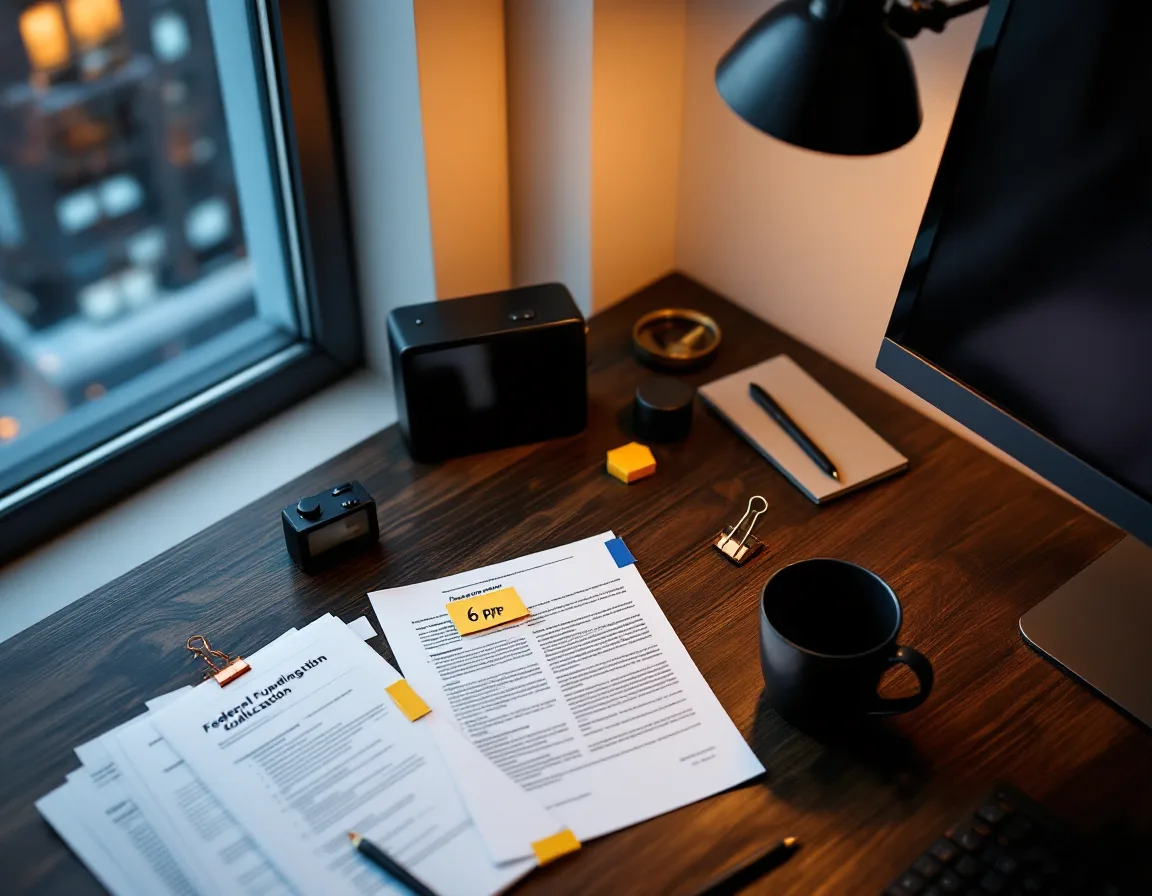
A dawn-lit writing desk with a printed funding solicitation flagged in copper, a sticky note marking the page limit on the monitor, a pencil, a timer and coffee
fig. a1 — the desk before the first read of a new solicitation
docabout · rev. 10/2026
deskNew York, NY · video & phone
writers / pkgone, kickoff through validation
billingflat fee per submission package
next step · 45 min · $0 schedule a scoping call

or ring (917) 488-6951

written for → 501(c)(3) nonprofits seed-stage research startups university spinouts (STTR) first-time federal applicants

§ 01 — structured abstract

why this desk writes the whole package, or none of it

Four labeled paragraphs, the way a reviewer would want the story told. Margin notes carry the detail a careful applicant asks about next.

background

A good share of what sinks a submission never touches the science. A budget justification that funds a slightly different project than the aims describe. A biosketch in last cycle’s format. A research strategy one page over the limit. A SAM.gov registration that quietly lapsed in the spring.

note · reviewers score against criteria printed in the solicitation. we write to them heading by heading, in the solicitation’s own words.

the gap

Small applicants rarely have a sponsored-programs office. At a two-person startup, the PI drafts the research strategy after the lab closes, the CEO builds the budget in a spreadsheet, and nobody owns the compliance check until the portal rejects the upload.

note · STTR adds a research-institution subaward and a work-split requirement — two more places for the narrative and the budget to drift apart.

approach

Jovira was set up to own the package as one object: narrative, budget, justification, attachments, and compliance matrix, written by one person against one solicitation, and priced as one thing. The parts can’t contradict each other when the same hand drafts all of them.

note · flat fee = one scope, one price, one writer. the engagement letter names all three before page one.

the desk today

A New York desk at 88 East 163Rd St, working by video and phone with nonprofits and research startups. Calls are booked by appointment. Packages run from a $685 funding scan to federal Phase II and resubmission work, each quoted in writing after a 45-minute scoping call.

note · hours: by appointment — book a call. submit-day calls run until the tracking number posts.

§ 02 — house rules · rev. 10/2026

six rules every package is drafted under

These sit in the front of every working file. They’re why the quote is fixed, why the internal deadline lands early, and why the PI sees every technical sentence before it ships.

table 2.1 — house rules, applied to foundation and federal packages alike
rulethe rulewhy it exists
R-01 Read the solicitation twice before quoting. Pass one: eligibility, page limits, required components. Pass two: the review criteria, word for word. The written quote is built from both reads, not from a topic title.
R-02 Budget and narrative are drafted side by side. Reviewers check that the money and the aims describe the same project. Drafting them in parallel keeps every person-month, supply line, and subaward attached to an aim.
R-03 Every technical claim traces back to the PI. The argument is written from your data, protocols, and a recorded PI interview. Nothing about the science leaves the desk without line-level PI review and sign-off.
R-04 Specific aims are drafted last and rewritten most. It’s the page a reviewer reads first, and sometimes only. It gets written once the strategy is settled, then cut until every sentence earns its line on the page.
R-05 The internal deadline sits three business days early. Validation errors, expired registrations, and unembedded PDF fonts all surface at upload. Three days leaves room to fix them before the agency’s clock is the one that matters.
R-06 Scope and fee are fixed in writing before page one. The engagement letter states the package, two structured revision rounds, and the flat fee. A change in scope becomes a written change order — never an hourly overrun.
quote a package under these rules

Federal mechanisms need 8–10 weeks of lead time; foundation applications, about 4. Book the call before the clock decides for you.

§ 03 — the calendar, specced

T–70 to T–0: the ten weeks a federal package keeps

Counted backward from the agency’s due date, for a typical SBIR/STTR Phase I engagement (pkg-03). Foundation packages compress the same sequence into about four weeks.

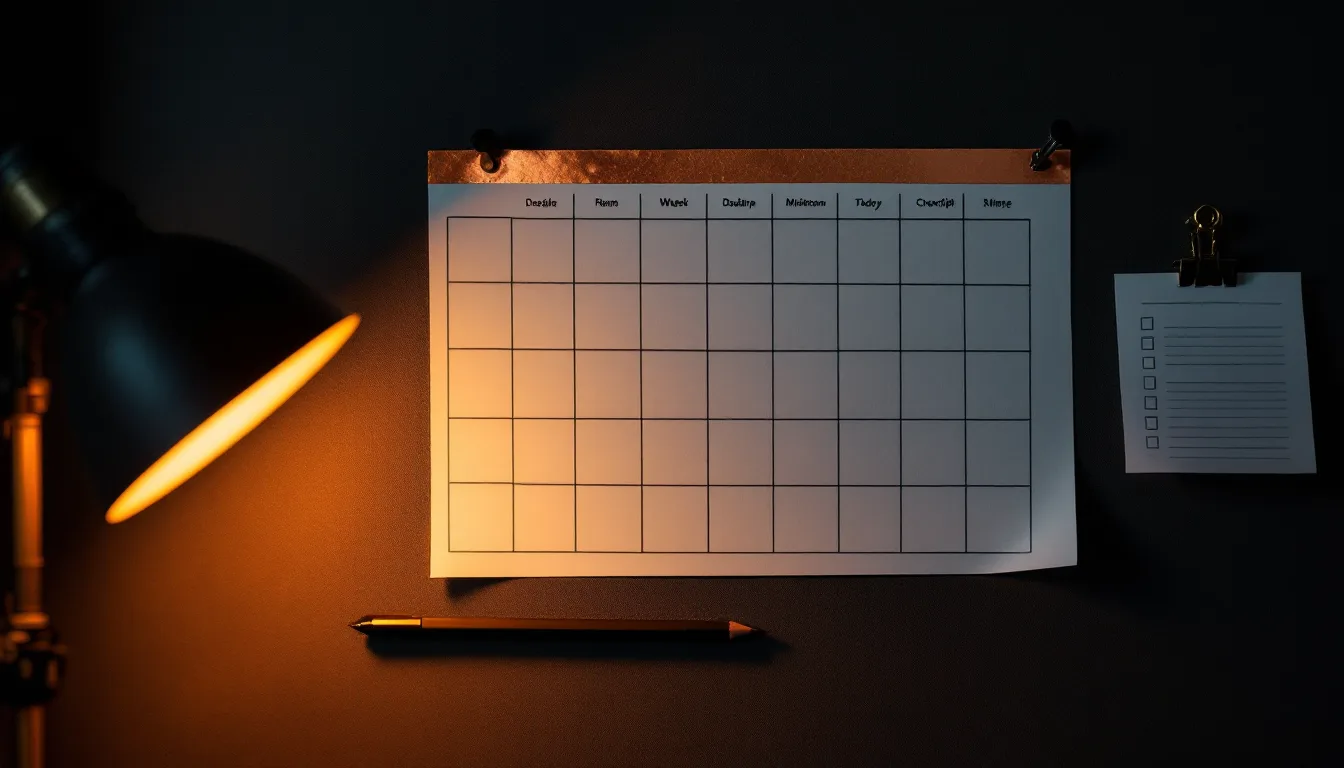
A ten-week wall planner on charcoal linen with the deadline boxed in copper tape and milestones marked with copper and yellow dots
fig. a2 — the working calendar for one package, deadline boxed in copper
  1. T–70

    days to due date

    scope, quote, registrations audit

    Scoping call, written quote, engagement letter. We check UEI and SAM.gov expiry, Login.gov, eRA Commons or Research.gov roles, and the SBA Company Registry.

    out: engagement letter

  2. T–56

    days to due date

    PI interview + skeletons

    A recorded 90-minute PI interview. Aims outline, budget skeleton by year, and a list of every letter partners will need to sign.

    out: aims outline, budget v0

  3. T–42

    days to due date

    draft 1, all sections

    Research strategy, project summary, commercialization plan, SF-424 (R&R) budget and justification — delivered together so they can be read against each other.

    out: full draft 1

  4. T–28

    days to due date

    revision round one

    Your tracked changes come back; PI technical review closes. Letters-of-support drafts go out to partners with a return date.

    out: draft 2, letter drafts

  5. T–14

    days to due date

    revision two + attachments

    Aims rewritten (R-04). Biosketches, facilities, and data-management plan formatted; the compliance matrix is filled against the solicitation.

    out: draft 3, matrix

  6. T–3

    business days

    internal deadline

    Final flattened PDFs, file names checked, a validation dry run with your signing official. Errors found here cost hours, not the cycle.

    out: final files

  7. T–0

    agency due date

    submit-day call

    Your AOR presses submit from your account. We stay on the line until the agency tracking number comes back.

    out: tracking number

scroll sideways → · T–0 is the agency’s published due date and time

§ 04 — redlines

four promises this desk strikes out of every engagement letter

Each one is a line some applicants hope to hear. Here is the struck version, and the sentence that replaces it.

redline 01 · award outcome

“We’ll get you funded.”

insteadAward decisions belong to peer reviewers and program officers. The letter promises a complete, compliant, on-time package argued to the printed review criteria — and that is what gets signed off.

redline 02 · fee structure

“Pay us a percentage when it funds.”

insteadNo commission on the award, ever. Percentage pay rewards the writer for the outcome rather than the work, and professional grant-writing ethics codes reject it. The fee is flat: half at kickoff, half before hand-off.

redline 03 · conflicts

“We can take your competitor too.”

insteadOne applicant per solicitation topic per cycle. If a second team calls about the same topic number, they hear on the first call that the desk is already committed.

redline 04 · credentials

“Just send us your Login.gov password.”

insteadYour authorized organizational representative keeps the credentials and presses submit. We work from shared folders and a screen-share on submit day — never from inside your account.

memo · to the jovira desk

re: scoping call · 45 min · $0

file the memo; the reply lands inside one business day.

Give us the solicitation and the due date. You’ll get two or three call times and a first read on which package fits — the written quote follows the call.

to projects@thejovira.com

Read by the writer who would draft your package.

or direct → (917) 488-6951 projects@thejovira.com by appointment — book a call